Tag: wildlife

  • Urban wildlife is wildlife.

    Urban wildlife is wildlife.

    When we think of wildlife, the first thing that comes to mind is the safari in Africa, Alaska’s wilderness, or the Amazon jungle and such. We forget that we are surrounded by it right where we are. In the middle of the urban spaces. I have been observing urban wildlife for a few years now and am fascinated by it. It surprises me every time I look up to see a Red-Tailed Hawk hovering above or a pack of Coyotes howling in the middle of the street outside my bedroom window at 3 a.m. Owls hoot above the busy trails of the Japanese gardens in Golden Gate Park. Not to mention the hummingbirds, sparrows, tiny Black-Eyed Juncos, and so many other creatures… 

    Early this morning, I came across one of the cutest members of the urban wildlife community, the raccoons! I only had my phone with me because I was out for a run, but the scene was so adorable that I couldn’t pass on sharing it here. So this may not be professionally photographed, but I hope you enjoy it as much as I did, watching them easing into the new day…

    Raccoons – Golden Gate Park, SF 10/2025

    And the moral of the story, or a reminder – take it as you wish – but don’t forget to pause and look around when you go about your day; you never know what cute moment of life you might miss.

  • Margins

    Margins


    Margins

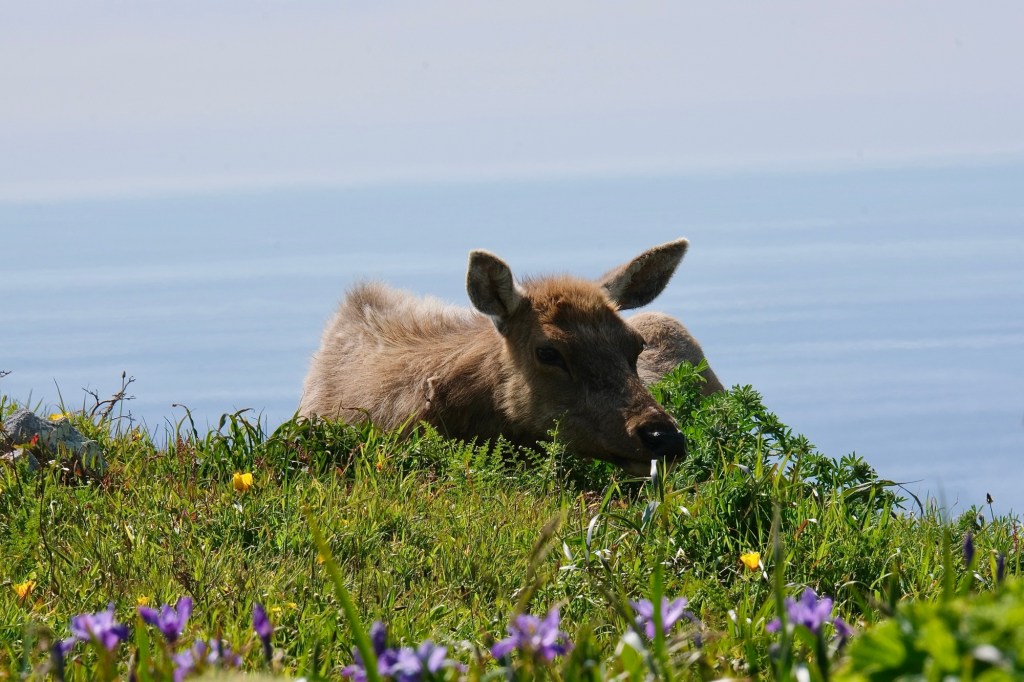
    I find this photo to be beautiful and sad at the same time. The young elk standing eye level, staring into the camera. It takes up almost the entire space of the frame and feels to me as if it’s stuck, a bit awkward. I tried to represent that they have such a little space left as the human population grows around them. 

    If you haven’t heard the stories about Tomales Point Elk Reserve, here is a summarized version.

    Tule Elk Face Shrinking Habitat at Tomales Point

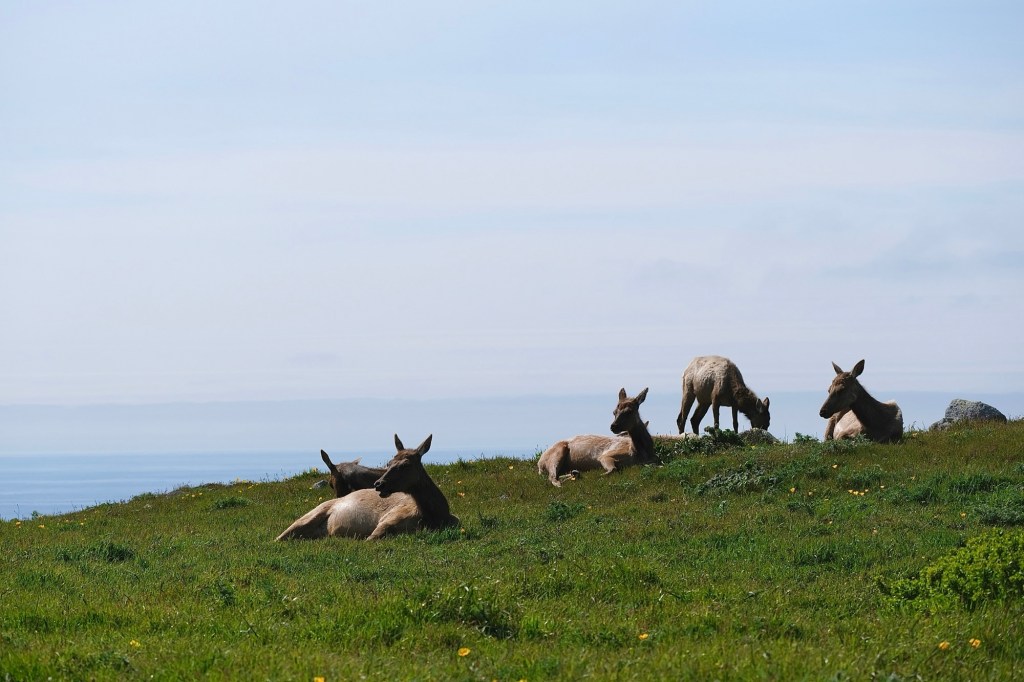
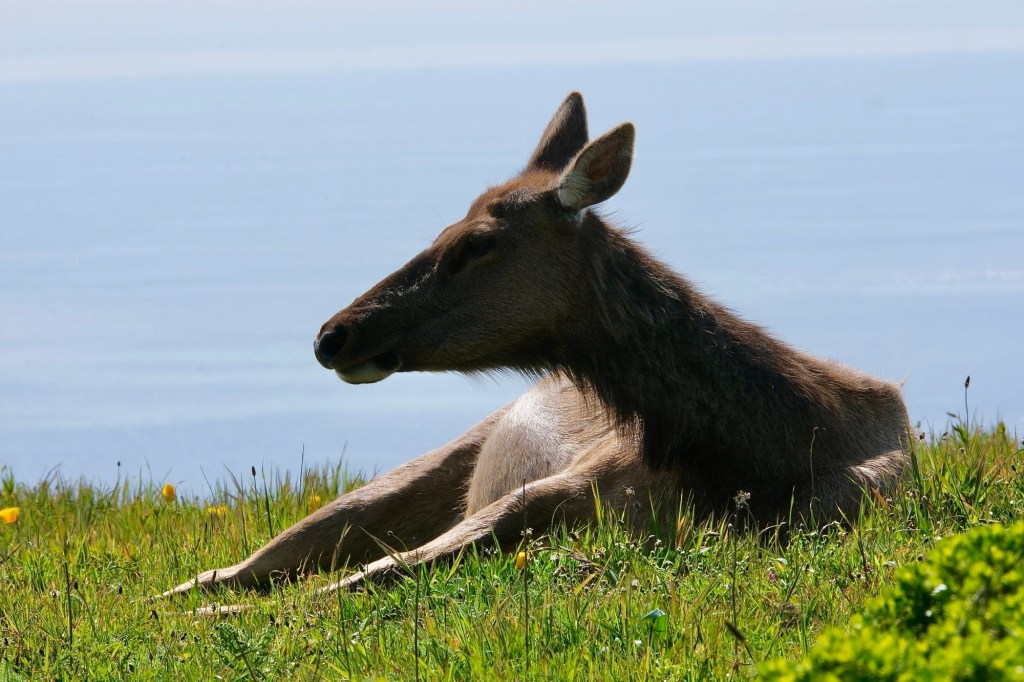
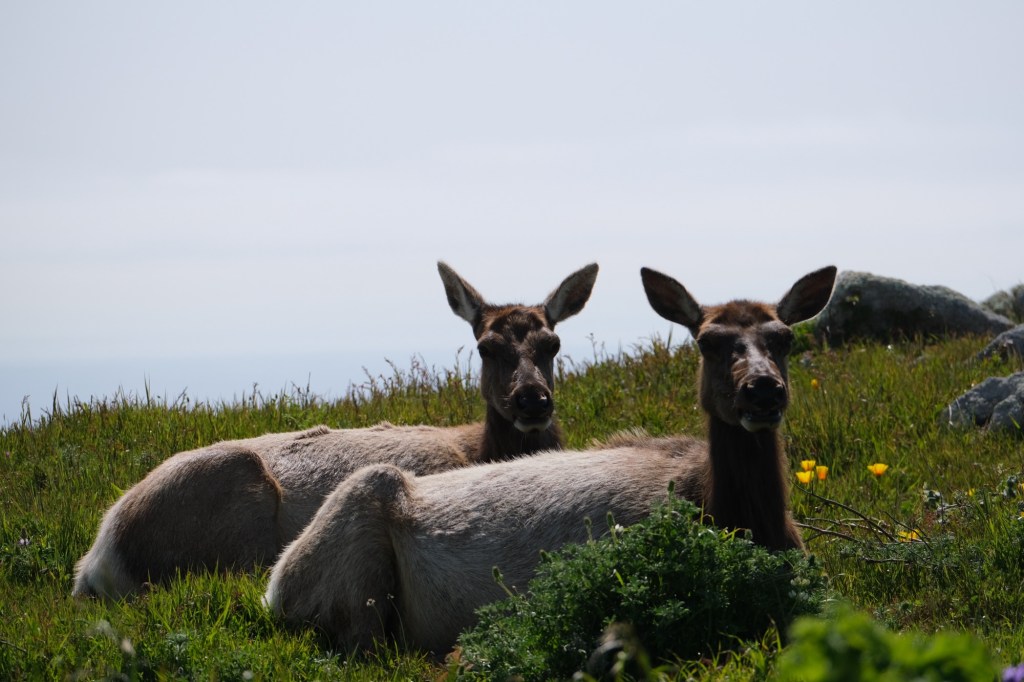
    POINT REYES NATIONAL SEASHORE, CA — The tule elk, an iconic species native to California, is facing increasing challenges within the Tomales Point Tule Elk Reserve. Despite the scenic beauty of the reserve, with elk grazing against coastal cliffs and open grasslands, concerns are growing about the sustainability of their habitat.

    Originally established to protect this once-endangered species, the reserve has unintentionally created a confined environment. Fences designed to keep elk from encroaching on cattle grazing lands have limited their access to essential resources, such as food and water, particularly during dry seasons. This has forced federal wildlife managers to make difficult decisions, including culling the herd to prevent overpopulation and resource depletion—a practice that has sparked heated debates on wildlife management and conservation ethics.

    Conservationists and local community members are advocating for alternative solutions. Proposals include expanding the elk’s habitat and removing some barriers to allow for natural migration. The future of the tule elk at Tomales Point hinges on achieving a balance between ecological preservation and human land use.